
6 Things to Know About Cleanrooms in Industrial Facilities
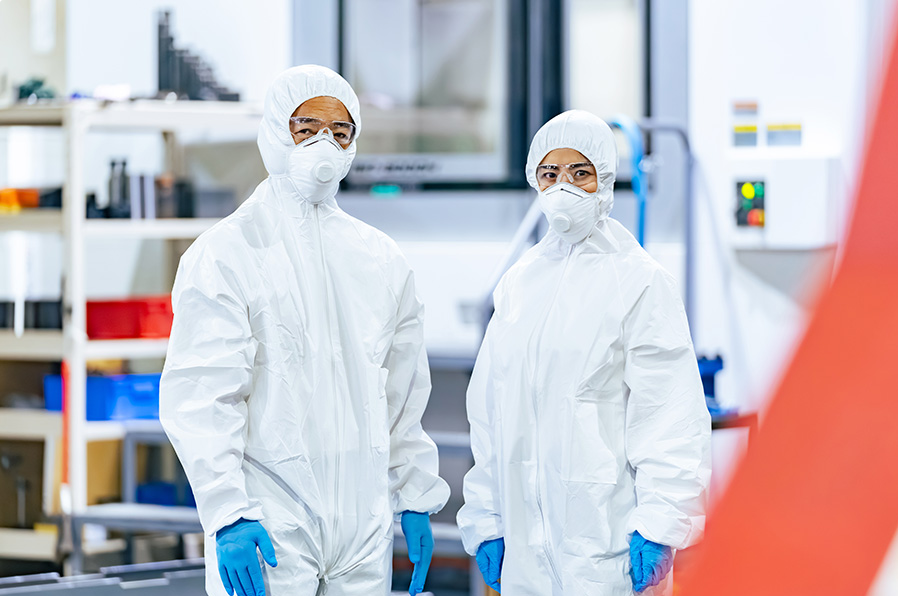
In modern industry, cleanliness and precision are not merely supporting factors; they are “fundamental requirements” that determine product quality and production safety. One of the most effective systems for managing these elements is the cleanroom—a solution that many manufacturing plants are increasingly prioritizing....in many respects—ranging from standards, design, and quality control to readiness for certification. This article outlines 6 key points that every manufacturing facility should know about cleanrooms, helping you plan effectively, ensure cost-efficiency, and maintain compliance with international standards.
1. What is a cleanroom and why is it important?
A cleanroom is a production space designed to control the concentration of airborne particles, cleanliness levels, pressure, temperature, and humidity, utilizing specialized air filtration systems. Its purpose is to ensure that production takes place in a stable, contamination-free environment.
Industries that utilize cleanrooms include:
Electronics and semiconductors
Food and beverage manufacturing
Pharmaceuticals and medical supplies
Automotive components
Research and laboratories
Consequently, the implementation of a cleanroom is a key factor in genuinely enhancing product quality.
2. Cleanroom Standards You Should Know (ISO 14644 / GMP)
Cleanroom design is not based solely on experience; it strictly adheres to international standards, specifically:
ISO 14644: Defines cleanliness levels by "Class" (Class 1 – Class 9) based on the permitted number of particles.
GMP / HACCP / FDA (Thai FDA): Applicable to the food, pharmaceutical, and cosmetic industries, with a focus on production safety.
FS209E (Legacy Standard): Although now superseded, it is still used in some facilities for reference or comparison purposes.
These standards help factories ensure that product quality and safety meet requirements that can be effectively verified.
3. Key Components of a Cleanroom
A cleanroom consists of more than just walls and doors; it is a complex system in which all elements must function together in perfect coordination. The main components include:
HEPA / ULPA Air Filtration System
Used to capture fine particles in the 0.1–0.3 micron range, effectively reducing contamination.
HVAC (Heating, Ventilation, and Air Conditioning) System
Maintains stable temperature, humidity, pressure, and airflow in accordance with established standards.
Changing Room / Air Shower / Pass Box
Used to minimize the amount of dust entering the cleanroom area prior to the start of the production process.
Walls and materials used in a cleanroom
must be smooth and continuous, free of joints where dust could accumulate—such as PU panels, PVC panels, etc.—and must be capable of withstanding frequent cleaning.
Required cleanliness level (Class or industry standard)
Production flow, designed to prevent cross-contamination between processes
Actual usable space, including the placement of machinery
Expenses and maintenance costs
Engaging a cleanroom specialist ensures that the design complies with standards and reduces the risk of future issues.
5. Cleanroom maintenance is just as important as its design.
Many facilities invest in building a cleanroom but subsequently neglect its upkeep, leading to a decline in quality over time. Proper maintenance includes:
Regularly inspect HEPA/ULPA filters.
Monitor air pressure differentials (positive/negative pressure).
Clean floors and walls using dust-free (non-particulating) cleaning agents.
Inspect the HVAC system at least every 6 months.
Check the structure for any leaks.
Neglecting even a few of these areas can immediately compromise product quality and the ability to pass standard certifications.
6. What factors determine the cost of building a cleanroom?
The cost of a cleanroom varies depending on several factors, including:
Floor area
Required standards (ISO / GMP)
Type of materials
Complexity of the HVAC system
Number of auxiliary units (e.g., pass boxes, air showers)
Installation site
In general, such an investment proves worthwhile in the long run, as it helps reduce waste, improve quality, and better facilitate audits by clients and regulatory authorities.
Frequently Asked Questions
Q: Which cleanroom class is suitable for my facility? A: It depends on the type of product; for example, food production typically requires Class 7–8, while electronics manufacturing may require Class 5–6 or higher.
Q: Must a cleanroom remain in operation at all times? A: In most cases, it must operate continuously to maintain the required environment, though energy-saving modes can be utilized during certain periods.
Q: How long does it take to build a cleanroom? A: It generally takes about 30–90 days, depending on the size and complexity of the system.
Cleanrooms are the cornerstone of industries that demand high levels of precision and cleanliness. A thorough understanding of relevant standards, key components, proper design, and ongoing maintenance will ensure your facility is well-prepared for high-quality production and capable of confidently meeting the requirements for certification by various regulatory bodies.
If your facility requires a comprehensive solution for the design, construction, or renovation of a cleanroom, Santa Technology is the expert ready to manage every stage of the process. From designing in compliance with international standards to construction, inspection, and maintenance, we ensure that your cleanroom is highly functional, efficient, and offers the best possible value for your business.

